Recently, one of my 15 year old players was asking me if I ever saw Kirk Gibson’s 1988 World Series Game One Homerun that stunningly turned the Series in the favor of the Dodgers.
Of course! I was watching at the time in my hip bachelor’s pad...cough, cough.
It’s probably the most iconic homer in baseball history. Down 3 to 2, bottom of the 9th, 2 outs, full count, Injured and aged hero pinch hits and makes good off of the best reliever in the game.
But, the backstory to the homer as we have come to know is that Gibson was “hunting” a 3-2 slider.
Gibson would later tell how a scout had told him if Eckersley gets you to a full count he will always throw a slider.
I’ve included the whole at bat at this link. Watch as Gibson (around 6:15), quickly signals for time out just before the 3 and 2 pitch, steps out of the box, flushes and resets his mindset for slider. He would later say this is where he was recalling the conversation with the scout and when he stepped back in the box he was firmly committed to the slider. This IS working EV.
The result? The most popular homer in World Series History outside of Mazeroski’s shot in 1960. (Pirates fan you know)
I bring this up because we now recognize this as hunting and not guessing. In fact it’s what we’ve instructed for the past 20 years. Awareness, Clarity, Mindset, “Right-Now”, and Imagination.
Great hitters commit to an area.
Great hitters commit to a pitch.
Great hitters narrow, not expand strike zones.
He’s not guessing.
He’s committing.
Coach Perry calls this "hunting."
That’s how you hit great pitchers. YOU can’t hit MY fastball and curveball, let alone a bona fide pitcher if you’re trying to cover both pitches and all areas.
You must do only one thing. Know what that one thing is.
The one thing is location, shape, and speed.
With younger players we always start with hunting fastballs for an obvious reason I’ll get into in the near future. As they progress to HS we expand their ability to hunt.
If you want to be a battle tested and game ready hitter that hunts location and speed then contact me at coachbill@betterballplayer.com and we’ll set up a time to get together.
The best hitters don’t carry a checklist into the batter’s box. They carry clarity.
⚾ In this video: • Why too much advice hurts hitters • Why mechanics disappear under pressure • The difference between cage swings and game swings • The “Right Now” timing concept • What parents and coaches SHOULD say during games If your hitter can only think one thought in the box… make sure it’s the right one.
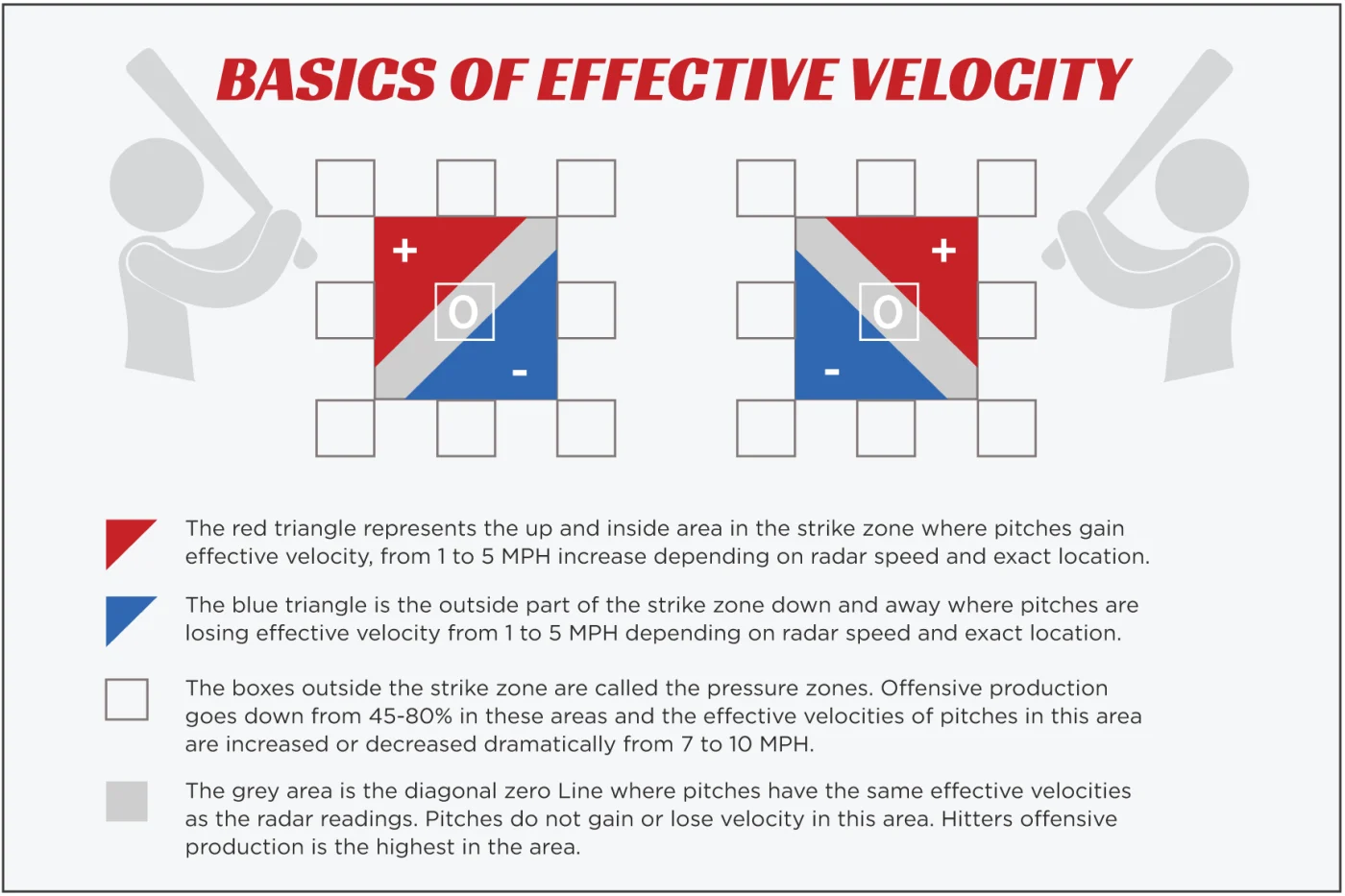
Hey Gang, Head Over to the Resource Library to catch the Hit Book Demo Replay from Sunday, May 17. A walkthrough the 7 sections of the Hit Book where you can see how powerful a tool this is.
One question to kick things off in here:
What's the one thing you're hoping to get out of being inside Full Count?
Not a goal. Not a stat. The one thing — the real reason you signed up.
Drop it below. I'm reading every one.
— Coach Bill
Sunday night was something.
Eight people showed up live for the Hit Book demo. Eight people walked through every section — from "Why I Play" all the way through pitcher scouting and the game day checklist — and at the end of the night, all eight of them are now Full Count members.
That's not a coincidence. That's what happens when a hitter gets out of their own head and decides to actually do the work instead of just think about it.
If you were in the room Sunday — welcome. You're in early, and I won't forget that.
The recording is being edited now and I'll have it posted inside Full Count this week so you can go back through any section at your own pace. The Hit Book itself is live right now at betterballplayer.com/index.php/my-hit-book/ — if you haven't opened it yet, that's your one job today.
Start with Section 1. Specifically the "Why I Play" block. Don't skip it. Don't write the first thing that comes to mind. Sit with it.
I'll tell you why that section matters more than anything else in the book when we get to it together.
This isn't about surface-level answers.
It’s about digging deeper.
Past “because I like baseball.”
Past “because my friends play.”
And finding the real reason that fuels confidence, resilience, and growth.
Most hitters leave a session and forget 80% of what we just worked on.
Not because they don't care. Because there's nothing to anchor it.
I built something to fix that.
👇 60 seconds. Watch this.
https://youtu.be/nIngX7pCEhI?si=Xv9iAhflXhE59JiI
And if you want to see the whole thing live — I'm running a free demo Sunday May 17 at 7PM. Link in the comments.
New video — this one's got math in it. Bear with me.
Hey everyone —
New YouTube video is up and I want to talk about it here because this one has some content I want to make sure lands.
I took the hand-brain connection concept from the last video and added a section I've been sitting on for a while — the actual numbers behind what an efficient at-bat is worth.
At 80 miles per hour:
- A hitter with an average swing path has to commit at 0.22 seconds into the pitch flight. The ball is still 26 feet from the plate.
- A hitter with an efficient, short path can wait until 0.30 seconds. The ball is 17 feet away.
That's 9 feet and 0.08 seconds of extra information.
In those 9 feet: breaking balls start breaking. Changeups reveal their speed. Location becomes readable.
The early committer is guessing from the pitcher's side of the field. The efficient hitter is reading from the hitter's side.
I also addressed the coaches in the room on this one. Because I know the pushback: "but mechanics matter." They do. But not the way most people teach them. Mechanics matter because they buy you time. That's their job.
Two questions for the community:
- Have you ever felt the difference between a swing where you were guessing vs. one where you actually saw it? What did it feel like?
- Has anyone ever given you the "mechanics first" approach and had it actually work in games (not just the cage)?
Drop your answers below. This is worth talking about.
Link to the video: https://youtu.be/6P_CQiw6gSQ?si=_mJ6JbNBrsDsy7Pm
Coach Bill
Every person in this community landed here for a reason. Maybe your player has been working hard for years and the results still aren't matching the effort. Maybe you've been through three different hitting coaches and every one of them told you something different. Maybe you stumbled across Effective Velocity and something clicked that you couldn't explain yet. Maybe you're a coach who's tired of watching players get worse the more instruction they get.
Whatever brought you here — you're in the right place.
Drop an introduction below and let the community get to know you. Here's a simple format to follow, but write it however feels natural:
My name is:
I'm here for: (myself / my son / my daughter / my players)
Sport and age/level:
Where I am on the Success Path: (On Deck / First Base / working through it)
The one thing I'm hoping to figure out:
One thing about my hitter's background: (travel ball, rec league, crossover from softball, new to baseball, been through mechanics-first instruction, etc.)
I'll go first.
My name is Coach Bill. I'm here because I spent years watching talented kids work harder than they should have to and still struggle at the plate — and once I found Perry Husband's Effective Velocity methodology I understood why. Timing isn't a piece of hitting. It's the whole thing. Everything I teach in this community starts there, and everything on the Success Path is built around that one idea.
If you're new, don't overthink the introduction. Just say hello. The community is small right now and every voice in here matters.
Looking forward to getting to know you and your hitter.
— Coach Bill